Building a Montessori School from the Ground Up: An Observational Case Study of the Founding Phases of Nido Montessori Preschool, Bachupally
Abstract
Opening a Montessori preschool is often described, in brochures and mission statements, as a matter of passion meeting purpose. The lived process of moving from an idea to a functioning, licensed, child-ready classroom is rarely documented in the detail that new founders actually need. This observational case study traces the founding of Nido Montessori Preschool from initial conceptualization through the enrolment and arrival of its first cohort of children, although the property acquisition and associated legal groundwork began in 2022, the present case study defines the formal founding period as June 2025 to June 2026, when the school moved from conceptualisation into active preparation for operation. Using observations from procurement and vendor correspondence, meeting minutes, founder reflections, and photographic documentation, the study identifies five overlapping phases of school-building: philosophical grounding, site and regulatory groundwork, preparation of the physical environment, development of the human environment, and community formation through outreach and admissions. Particular attention is given to the operational friction that is largely absent from Montessori literature — materials that arrived out of specification, vendors unable to meet dimensional tolerances for sensorial apparatus, repeated reworking of shelving and furniture to match child proportions, and the slow, relationship-driven process of recruiting and preparing adults capable of holding a prepared environment with integrity. The study closes with practical recommendations for prospective Montessori founders and notes where existing accreditation guidance is largely silent on the operational realities of building a school from nothing. Findings serve both as an institutional record for Nido Montessori Preschool and as a practical reference for other early-childhood founders navigating comparable terrain.
Background and Rationale
A substantial body of writing exists on what happens inside a Montessori classroom once it is running: the prepared environment, the three-hour work cycle, the role of the directress as a link between the child and the environment, and the outcomes associated with fidelity to the method (Lillard, 2017; Montessori, 1995). There is plenty written about Montessori philosophy and pedagogy, and about what happens once a school is running. Far less is said about everything that comes before the first child walks through the door.
For founders and Montessori trainers, turning an idea into a real Montessori environment involves much more than finding a space. There are leases, licences, budgets, materials, staffing, timelines — and countless practical decisions that determine whether the space truly reflects the philosophy. Yet these lessons are rarely documented. Many first-time founders end up learning them through trial and error, when much of that learning could have been made easier by hearing from those who have already built the journey from an empty room to a place a two-year-old can instinctively understand.
Nido Montessori Preschool was established with an explicit commitment to child-led exploration, practical life skills, sensorial learning, and peace education, alongside a deliberate emphasis on zero-waste practice in both curriculum and physical environment. Documenting the school's own founding process, while it was still fresh enough to reconstruct accurately, was judged valuable for three reasons: it created an institutional record that new staff and governance members could consult; it produced a resource the school could share publicly to support the wider Montessori and early-childhood community; and it disciplined the founding team to reflect critically on decisions made under time and budget pressure rather than letting those decisions disappear into memory.
Purpose and Scope of the Study
This study documents the founding of Nido Montessori Preschool, Bachupally from initial conceptualization through to the point at which its first cohort of children began attending. It deliberately stops at that threshold. The first year of classroom operation — pedagogical outcomes, child observation data, and parent satisfaction over time — is treated as a separate line of inquiry and falls outside the scope of this paper. What is captured here is the pre-operational journey: the conceptual, regulatory, material, and human-resource work required to bring a Montessori environment into being.
Research Questions
What sequential and overlapping phases characterize the founding of an independent Montessori preschool, from conceptualization to the arrival of its first children?
What practical, material, and human-resource challenges emerge within each phase, and how were they navigated by the founding team?
What recommendations can be distilled from this experience for future Montessori founders operating in comparable regulatory and market contexts?
Literature Review
Montessori Philosophy and the Prepared Environment
Montessori's own writing frames the environment itself as an active agent in a child's development, not simply a backdrop to it. The adult's task, in this framing, is to prepare a space that is proportioned to the child, ordered, aesthetically calm, and stocked with materials that isolate a single concept at a time (Montessori, 1995). This places unusual weight on physical detail: shelf height, the weight of a jug a three-year-old must be able to carry without spilling, the precise dimensions of a set of knobbed cylinders. Lillard's (2017) synthesis of developmental psychology research supports several of the eight principles she identifies as foundational to the method, including the significance of movement, choice, and a carefully ordered environment for sustained attention and self-regulation. A subsequent longitudinal comparison of Montessori and conventional public-school outcomes found that children in well-implemented Montessori programs showed gains in academic and social measures that equalized across socioeconomic groups more than comparison programs did (Lillard et al., 2017). Taken together, this literature makes a strong case for pedagogical fidelity, but it says almost nothing about how a founder without an existing building, budget, or trained staff actually produces that fidelity in the first place.
Accreditation Standards and the Business of Building a Values-Driven School
Bodies such as the Association Montessori Internationale (AMI) publish standards that authentic Montessori programs are expected to meet, including trained-teacher ratios, complete sets of AMI-aligned materials in every classroom, and adherence to the pedagogical framework taught in AMI training courses (Association Montessori Internationale, n.d.). These standards function well as a target once a school is close to operational, but they offer limited guidance on the entrepreneurial and logistical path to that target — how to source AMI-aligned materials in markets where authorized manufacturers are scarce, how to hire trained guides where supply is limited, or how to sequence regulatory compliance against fit-out and hiring. This is consistent with a broader pattern in professional and vocational literatures, where standards documents describe an end state without documenting the iterative, often improvisational process by which small, values-driven organizations actually reach it.
Case Study and Observational Methods in Educational Research
Case study methodology is well suited to research questions that ask how and why a bounded, real-world process unfolded, particularly when the researcher has limited control over events and the phenomenon is embedded in its context (Yin, 2018). A single-case design, in which the same site is observed repeatedly over an extended period, allows a researcher to capture change, iteration, and setbacks as they occur rather than reconstructing them retrospectively from memory alone. Creswell and Poth (2018) further emphasize that case study researchers should draw on multiple, converging sources of evidence — documents, artifacts, observation, and interview — to strengthen the credibility of findings. This study adopts that convergent approach, treating photographic documentation as evidence alongside the founder's own reflective account.
Method
This study used a single-case, observational design (Yin, 2018), with the founding team functioning as participant-observers of their own process. A single case was appropriate because the study aimed to produce a rich, contextualized account of one school's founding rather than to generalize statistically across multiple sites. The design is such that data were collected repeatedly across the founding period rather than through a single retrospective interview, which allowed the researchers to record decisions, reworks, and reversals close to when they happened.
Setting: The study site was Nido Montessori Preschool, Bachupally, an independent Montessori preschool established in Hyderabad, Telangana, India, serving children in the age range of 14 moths – 6 years. The founding period under study ran from June 2025, when the founding team began formal conceptualization and site search, to June 2026, when the first cohort of enrolled children began attending.
Data Sources and Documentation: Data were drawn from four converging sources: (a) a founder's field journal maintained across the founding period; (b) vendor and contractor correspondence, purchase orders, and reorder logs; (c) minutes from planning and staff meetings; (d) photographic documentation of the physical space at successive stages of preparation (see Appendix A).
Timeline
The founding period is organized into five phases for reporting purposes. In practice, these phases overlapped substantially — regulatory work continued well into the material-sourcing phase, for instance, and staff recruitment began before the physical environment was complete — and the phase structure used here is an analytic device rather than a claim that the work occurred in strict sequence.
Positionality and Reflexivity
Because the primary researcher was also the school's founder, this study is practitioner research rather than externally observed research, and that dual role shaped what was noticed and recorded. To manage this, the founding team committed to logging setbacks and reworks at the time they occurred rather than only reconstructing successes afterward, and Mr. Pavan Goyal, Founder of BlueBlocks and a Montessori school leader with more than two decades of experience, served as an experienced Montessori practitioner and external critical advisor during the establishment of Nido Montessori Preschool. Drawing on his extensive experience in developing and running Montessori schools, he contributed to several aspects of Nido's formation, including conceptualisation, planning, strategic decision-making, marketing, staffing, and operational development. His guidance was sought throughout the process, particularly when decisions had to be made in response to the practical challenges of establishing a new Montessori environment. He also periodically reviewed field notes and documentation, providing an experienced external perspective that helped the researchers distinguish contemporaneous observations from interpretations that may have become more polished in retrospect. Readers should weigh the findings with this positionality in mind: the account is candid by design, but it is not a neutral third-party evaluation.
Ethical Considerations
All photographic documentation referenced in this study was captured of the physical environment prior to children's enrolment, and no images or records of enrolled children are included in this manuscript. Staff members quoted or paraphrased in this paper gave informed consent for their reflections to be used.
Findings
Five overlapping phases characterized the journey from concept to a school children could walk into: (a) conceptualization and philosophical grounding, (b) site and regulatory groundwork, (c) building the prepared environment, (d) building the human environment, and (e) outreach, admissions, and the arrival of the first children. Each is presented below with the practical, often unglamorous work it involved.
Phase 1: Conceptualization and Philosophical Grounding
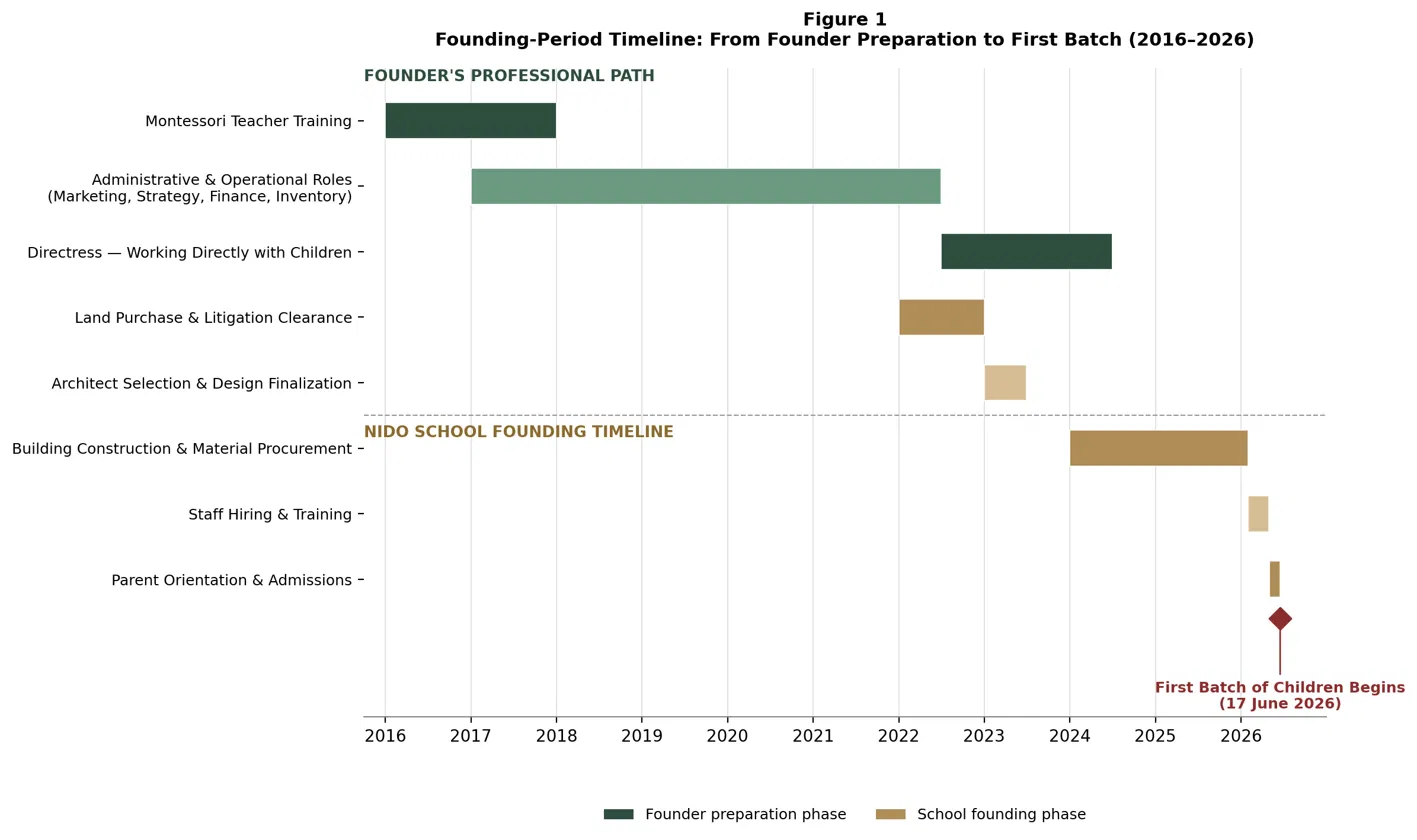
Founder preparation (2016–2024) refers to Montessori teacher training, administrative and operational roles, and direct classroom experience as a directress, all preceding and overlapping with the formal founding of Nido Montessori Preschool. The school founding timeline (2022–2026) begins with land purchase and runs through the arrival of the first cohort of children on 17 June 2026.
Before a single item was purchased, the founding team spent almost 13 weeks working through decisions that would shape every later phase: which age bands to serve first, whether to pursue AMI or AMS training pathways for lead guides, and how explicitly to build zero-waste practice into the school's identity rather than treating it as a later add-on. The team chose to anchor the school's mission around four commitments — child-led exploration, practical life skills, sensorial learning, and peace education — and to treat environmental responsibility as a design constraint from day one rather than a marketing feature applied afterward.
This phase also produced the school's first working budget and an initial (and, in hindsight, optimistic) timeline. Both were revised more than once as later phases surfaced costs and delays that had not been anticipated at the conceptual stage — a pattern that recurred throughout the founding process.
Phase 2: Site, Space, and Regulatory Groundwork
Finding a space that could plausibly become a Montessori environment — sufficient natural light, low windows, outdoor access for practical life and gardening work, and a floor plan that allowed distinct areas for practical life, sensorial, language, and mathematics — took longer than anticipated. The team viewed multiple properties over 6 months before settling on the current site in 2022, and the litigation clarification itself required a complete year to get a clear title.
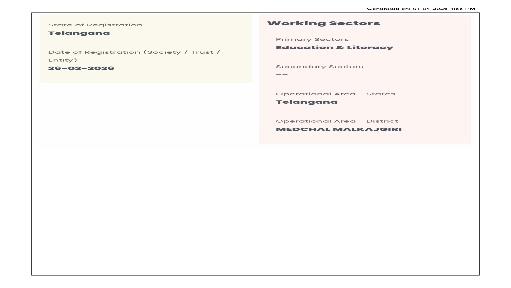
Regulatory groundwork ran in parallel: pre-school registration was applied for January 2026 with the relevant state authority. It took a time period of around 40 days for the registration.
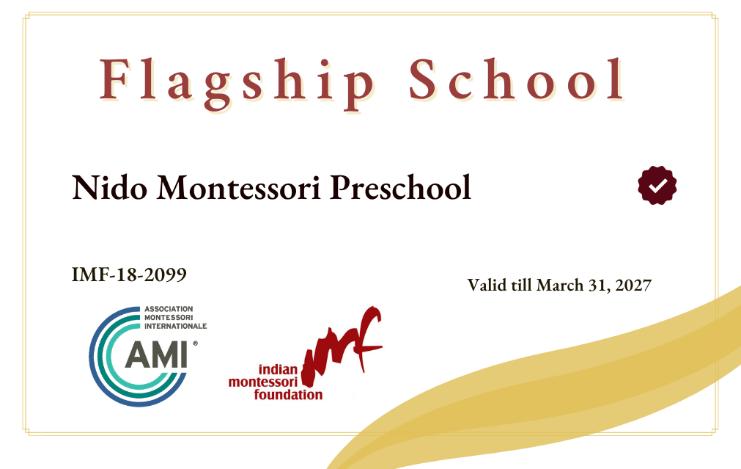
Pursuing IMF Flagship School status for NIDO (see Appendix A): For a newly established Montessori school in India, pursuing recognition as an Indian Montessori Foundation (IMF) Flagship School can be an important step in establishing its place within the wider Montessori community. IMF is a pan-Indian organisation affiliated with the Association Montessori Internationale (AMI), with a stated focus on promoting Montessori principles, strengthening Montessori practice in schools, supporting teacher development, and encouraging research and professional exchange.
For a school in its formative years, the value of engaging with IMF extends beyond recognition. It provides an opportunity to situate the school's developing practice within a broader professional Montessori network, encourage continued reflection on the fidelity of its implementation, and connect the school with practitioners, educators and established Montessori institutions across India. IMF maintains a recognised network of Flagship Schools, making the designation particularly relevant for a new school seeking to establish a credible professional identity within the Indian Montessori landscape.
For Nido, therefore, the pursuit of Flagship status represents not simply an institutional distinction, but part of a longer-term effort to build accountability, remain connected to the Montessori community, and continually examine whether the school's practices reflect the principles on which it was founded.
Phase 3: Building the Prepared Environment — Material Sourcing, Reworks, and Reorders
This phase produced the largest volume of correspondence through all possible platforms relevant in the current times i.e. email, calls, WhatsApp messages etc and is, by the founding team's own account, the one most worth documenting honestly for other founders, because almost nothing about it went to plan on the first attempt.
The hunt for the right material.
Authentic Montessori materials are built to precise dimensional tolerances — the pink tower's cubes must relate to one another by a consistent ratio, the knobbed cylinders must fit their sockets snugly but not tightly — because the material itself is meant to isolate an error the child can perceive and correct without adult intervention. Sourcing material that met this standard proved harder than the team expected.
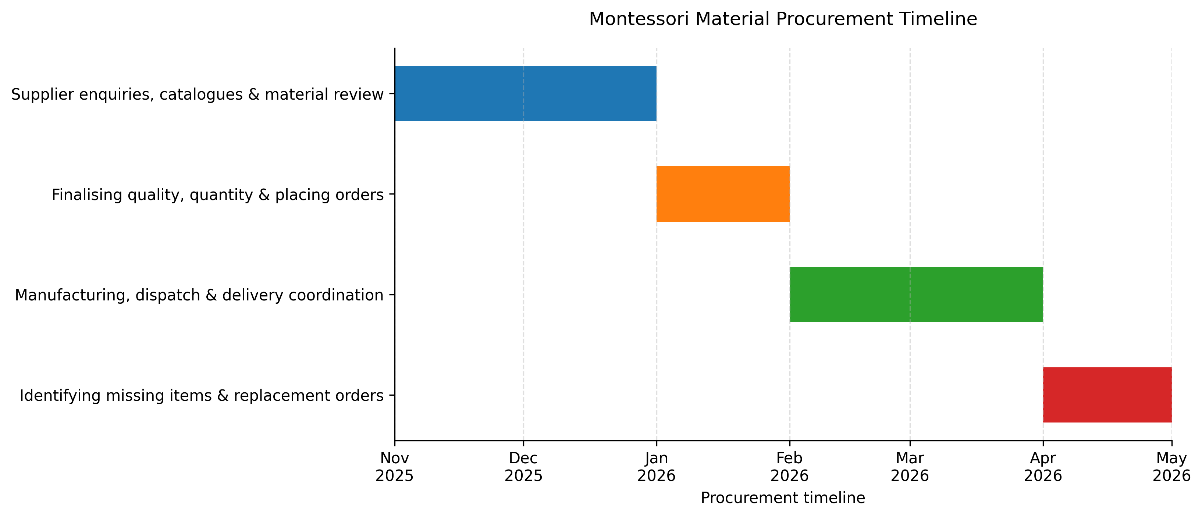
Sourcing the right Montessori materials for both Toddler and Primary environments turned out to be a process of its own. We ordered from multiple suppliers, including Sree Prathishtha, Neinhuis, and Kido in Karnataka, with some shipments arriving at very different timelines — one Neinhuis order is still in transit due to geopolitical disruptions. Coordinating these deliveries with the school’s construction schedule was another challenge; materials had to arrive only when there was a safe, clean, and secure space to store them. Bringing everything in too early risked damage from ongoing construction, while waiting too long could delay the classroom setup and opening timeline.
Reworks and reorders.
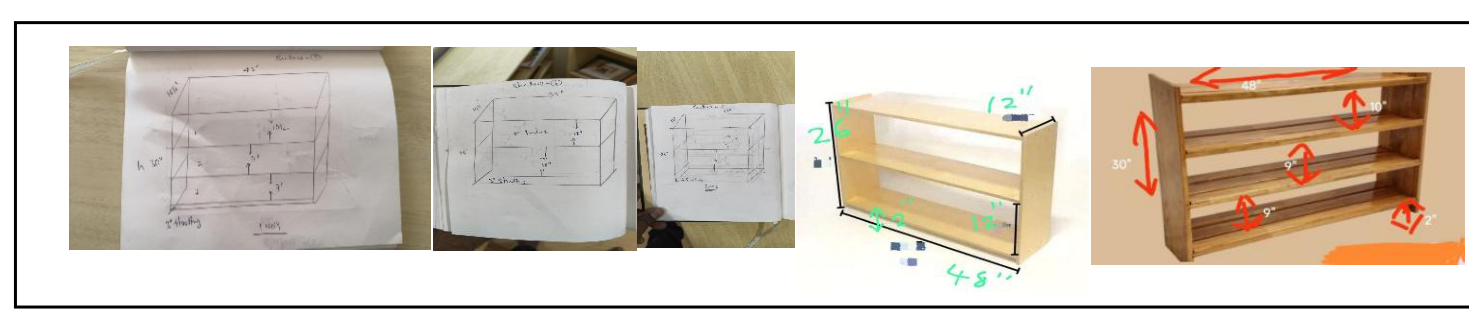
Shelving intended for the 3–6 age group was initially built to a single generic height, then had to be partially rebuilt once the team measured against actual reach heights for the youngest children in that band, who could see materials on the top shelf but not comfortably lift them down. A first batch of floor mats was returned after testing showed they slid on the flooring the school had installed; a non-slip-backed alternative was reordered. Paint and wood finish used on an early set of shelving was replaced after the team could not confirm it met a low-VOC, child-safe standard, resulting in both a reorder and a delay while the affected units were re-finished. Practical life materials intended to be breakable glass and ceramic — chosen deliberately, since Montessori practice treats the natural consequence of breakage as part of the lesson — required a slower, more careful sourcing process than unbreakable alternatives would have, and a portion of the first order arrived damaged in transit and had to be reordered.
Working within budget without compromising the environment.
Not every item could be sourced at full specification within the available budget. It needed the cost of additional time invested towards sending clearer instructions of the required materials and multiple reworks. Where compromises were necessary, the team prioritized fidelity in materials children would handle directly — sensorial and practical life apparatus — and accepted solutions that costed us more time than settling in for an adjusted measurement or quality.
By the end of this phase, the team had developed an informal but increasingly disciplined quality-control checklist — physical templates for dimension-critical items, sample approval before bulk orders, and a standing rule that any material touching a child's hands directly would be tested by an adult using the intended child grip and motion before acceptance. This checklist, developed only after several costly mistakes, is one of the more concrete, transferable artifacts to emerge from the founding process.
Phase 4: Building the Human Environment — Recruiting and Preparing the Adults
Montessori philosophy places as much weight on the prepared adult as on the prepared environment, and this phase proved to be the most relationship-dependent of the five. The team found the pool of AMI- or AMS-trained lead guides in the region smaller than anticipated, and ultimately combined the recruitment of one formally trained lead guide with an in-house preparation process for assistants who had early-childhood experience but not Montessori-specific training.
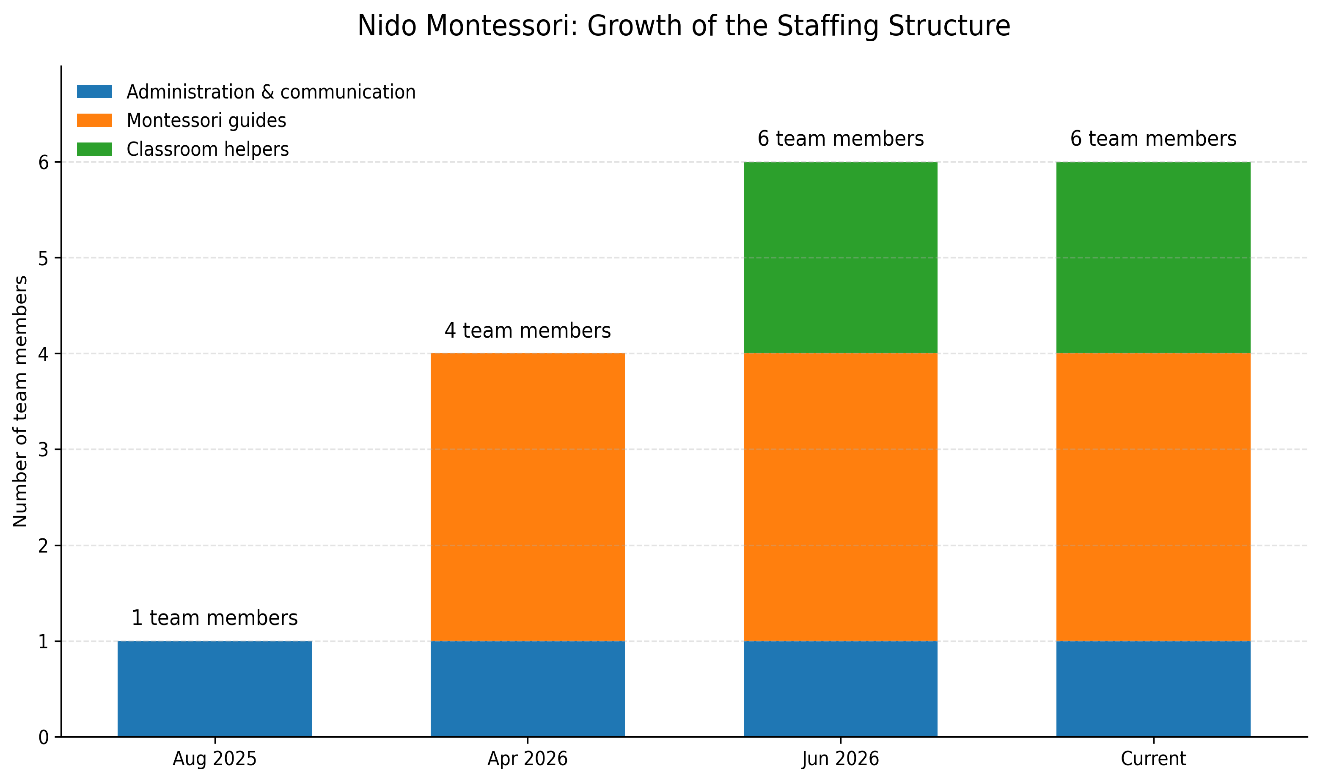
Recruitment interviews were structured to probe for alignment with the school's four founding commitments as much as for credentials, on the reasoning that an adult who did not genuinely believe in child-led exploration would struggle to hold back and let a prepared environment do its work, regardless of formal qualification. Reference checks, background verification, and a probationary observation period in a mock-prepared classroom were built into the hiring process before the environment was fully complete, which allowed staff to give feedback on shelf heights, material placement, and traffic flow that fed back into Phase 3 adjustments.
Phase 5: From Empty Rooms to a Living Community — Outreach, Admissions, and First Arrivals
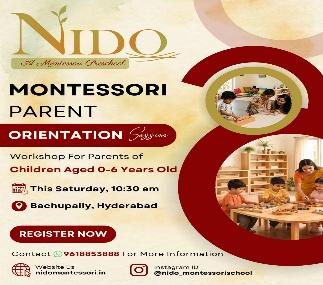
Community-facing work began before the physical environment was finished, on the reasoning that trust-building with prospective families takes longer than fit-out does. The team ran 3 open-house sessions in the partially completed space, using these both to generate interest and to gather informal feedback from visiting parents and children, some of which prompted further small adjustments to the environment.
Building a Digital Presence.
Alongside in-person outreach, the founding team built Nido Montessori Preschool's first website and social media presence — primarily Instagram and Facebook — from scratch, and this proved to be its own small project rather than an afterthought bolted on at the end. And this was done almost a year ago before the first batch could get to walk in. The central difficulty was representing a child-led, materials-based pedagogy to parents who had likely never seen a Montessori classroom in person: stock imagery and generic early-years marketing language consistently undersold what made the environment distinctive, so the team relied instead on original photography and short process videos of the empty, fully prepared classroom — shelving, sensorial materials, the outdoor practical-life area — captioned to explain the purpose behind each choice rather than simply showing a finished room. Because no children were yet enrolled, all early content was necessarily environment-focused rather than child-focused, which the team came to see as a useful constraint: it forced every post to explain the why of the method rather than lean on appealing photos of children at work.
Paid promotion was approached cautiously and iteratively rather than as a single campaign. The team tested geo-targeted Instagram and Facebook ads aimed at parents within a defined radius of the school, revising messaging across numerous iterations after early ads that led with the word "Montessori" performed less well than ads that led with a concrete, specific detail — a photograph of the practical-life shelf, for instance, paired with a one-line explanation of what a child does there and why. The team also learned to route every digital touchpoint toward a single next step, an orientation sign-up, rather than leaving interested parents to self-navigate from a social post to an enrolment enquiry, which meaningfully shortened the path from a first Instagram impression to a booked orientation.
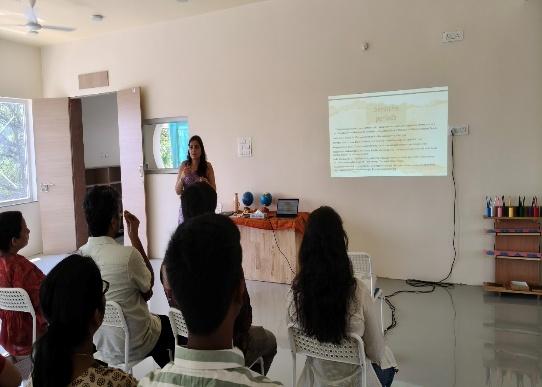
Admissions combined a parent orientation session on Montessori philosophy — intended to set realistic expectations about child-led learning before enrolment rather than after — with a short experiential visit of each prospective child along with parents to have a first-hand experience of the Montessori material that was procured after a process running into months of assessments and reorders. Enrolment offers were staggered rather than issued in a single batch, which allowed the team not only to sequence the arrival of children across days but also have further handson assistance to the parents in regards to educating them towards the settlement period of the child at Nido. This approach allowed us to reduce the load on newly prepared staff and a newly prepared environment simultaneously while doing justice to the attention that the founding families deserved.
The founding period, as bounded for this study, closes at the point where the first children walked into the prepared environment. What happened in the classroom from that point forward — how the environment and the adults performed once children were actually present — is left to a planned follow-up study of the school's first year of operation.
Cross-Cutting Challenges and Adaptive Strategies
Several challenges recurred across more than one phase rather than belonging neatly to a single stage of the founding process. Table 1 summarizes these, together with the adaptive strategies the founding team used in response.
| Challenge | Phase(s) Most Affected | Adaptive Strategy Used |
|---|---|---|
| Timeline slippage from underestimated lead time for procurement of an ideal space for school | 2, 3 | Built a standing buffer into later planning; began each subsequent step as early as practically possible rather than sequentially after the prior step closed. |
| Material dimensional variance from local workshops | 3 | Supplied physical templates and written tolerance specifications before bulk commissioning; required sample approval before full production. |
| Budget overruns from reworks and reorders | 3 | Prioritized fidelity for child-facing materials; accepted delayed deliveries |
| Balancing zero-waste commitments against sourcing speed | 3, 5 | Treated zero-waste as a non-negotiable design constraint; accepted slower sourcing timelines where needed rather than defaulting to convenient but wasteful options. |
| Managing parent expectations of Montessori pedagogy before enrolment | 5 | Front-loaded philosophy orientation into the admissions process rather than leaving it to be discovered after children began attending. |
Discussion
Read together, the five phases suggest that founding a Montessori school is less a linear project plan than a series of iterative loops, in which decisions made in one area continually force revisions in another. Material reworks in Phase 3 fed back into hiring criteria in Phase 4; feedback from staff during probationary observation fed back into shelf placement in Phase 3; parent feedback gathered during open houses in Phase 5 prompted late adjustments to the environment. This pattern is consistent with the emphasis Creswell and Poth (2018) place on case study contexts as embedded and interdependent rather than cleanly bounded, and it argues against treating any published founding timeline — including the one implied by this study's own phase structure — as something a future founder should expect to follow in strict sequence.
A second pattern worth naming is the gap between accreditation-level standards and ground-level process. Standards published by bodies such as AMI describe, in useful detail, what a compliant classroom should contain and what training its adults should hold (Association Montessori Internationale, n.d.), but they are largely silent on how a founder without local supply chains for AMI-aligned material is meant to get there. The reworks and reorders documented in Phase 3 were not a failure to plan; they were, in this study's reading, the actual mechanism by which an under-specified market problem — how to source dimensionally precise material locally — gets solved in practice. Naming that mechanism explicitly, rather than treating it as an embarrassing footnote, is one of the more useful contributions this case study can offer other founders.
Finally, the study's practitioner-research design is itself worth reflecting on. Because the founder was also the primary researcher, the account is unusually granular in places where an external observer would likely have missed detail — the precise reason a shelf was rebuilt, for instance — but it is also more vulnerable to selective memory and self-favorable framing than an externally observed case study would be. The decision to log setbacks, rather than reconstructing them after the fact, was the study's primary safeguard against this, and future institutional case studies of this kind would benefit from incorporating an experienced external practitioner into the documentation and review process from the outset, rather than relying primarily on retrospective review at the manuscript stage.
Recommendations for Practitioners
Based on the patterns identified across all five phases, the following recommendations are offered to prospective Montessori founders operating in comparable regulatory and market contexts. They are ordered roughly by the stage of the founding process to which they are most relevant.
| # | Recommendation |
|---|---|
| 1 | Build architectural lead time into the plan as its own workstream with independent buffer, rather than assuming it will run neatly alongside fit-out. |
| 2 | Request physical samples and set written dimensional tolerances before commissioning any bulk order of sensorial or practical life material, especially from workshops without prior Montessori-specific experience. |
| 3 | Reserve a dedicated material contingency budget above the initial procurement estimate to absorb reworks, replacements and unexpected specification changes; the appropriate proportion will depend on the sourcing environment, project scale and degree of local customisation. |
| 4 | Hire for philosophical alignment first and formal credentials second where the two cannot both be fully met immediately, and build a structured, time-bounded in-house training pathway for staff who need it. |
| 5 | Decide on non-negotiable values commitments, such as zero-waste practice, before procurement begins, so that sourcing decisions are evaluated against a fixed standard rather than negotiated case by case under time pressure. |
| 6 | Begin parent-facing outreach and philosophy orientation before the physical environment is complete, using the partially finished space itself as a trust-building and feedback tool. |
| 7 | Document the founding process contemporaneously — dated photographs, procurement correspondence, and short reflective notes — even if no publication is planned; the record is difficult to reconstruct accurately after the fact. |
Limitations and Directions for Future Research
This study has several limitations. It examines a single site, and findings may not generalize to founding contexts with different regulatory environments, urban or rural settings, or budget scales. The founder's dual role as researcher introduces a risk of self-favorable framing that contemporaneous logging only partially mitigates. Future research could extend this work in at least two directions: a follow-up longitudinal study of Nido Montessori Preschool's first year of classroom operation, examining how the prepared environment and prepared adults documented here actually performed once children arrived; and a comparative multiple-case study (Yin, 2018) across several independently founded Montessori schools in India, which would allow the cross-cutting challenges identified here to be tested for how common they are beyond a single site.
Conclusion
The gap between a Montessori philosophy a founder believes in and a room a child can walk into and immediately understand is filled with unglamorous, repetitive, often costly work — measuring a shelf twice, rejecting a batch of cylinders that almost fit, sitting through multiple rounds of architectural reworks, waiting on a regulatory clearance nobody had budgeted time for. This study has tried to document that work honestly, phase by phase, in the belief that a future founder reading it will waste less time being surprised by it than the founding team of Nido Montessori Preschool did. Once verified against the school's primary records that are attached herewith in the appendix section, or by reaching out to us in case any additional supporting documentation or evidence is required, this account is intended to stand both as an internal institutional history and as a practical, evidence-grounded resource for the wider community of early-childhood founders building values-driven schools from the ground up.
References
Appendix A Documentation Log of the Founding Process
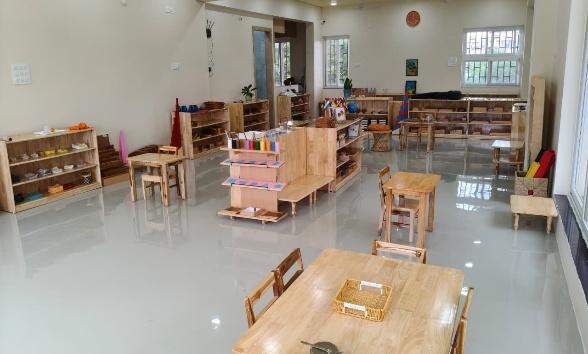
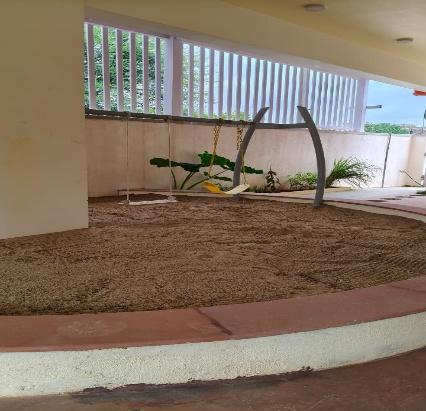
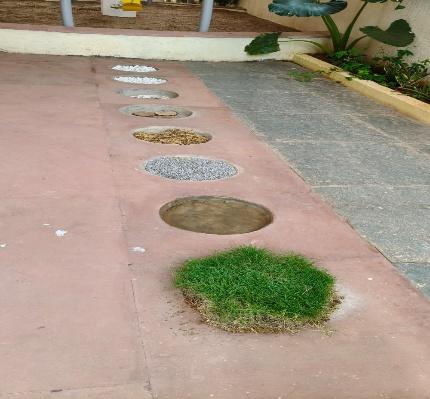
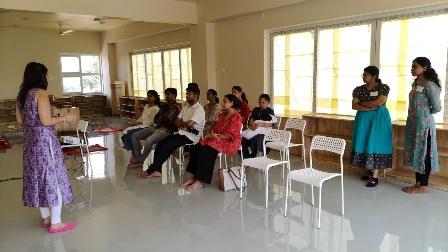
Table A1 lists the media documentation gathered across the founding period, organized by phase.
| Phase | Suggested Media | Supporting Media |
|---|---|---|
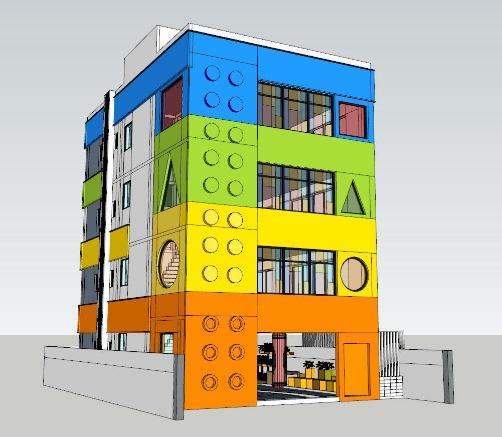
| 1. Conceptualization | The design | |
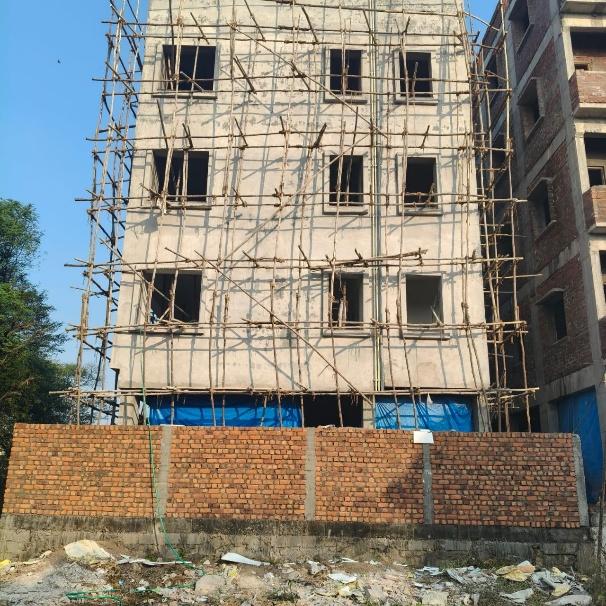
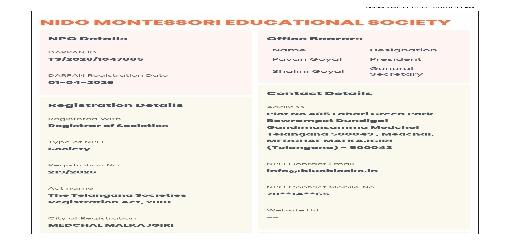
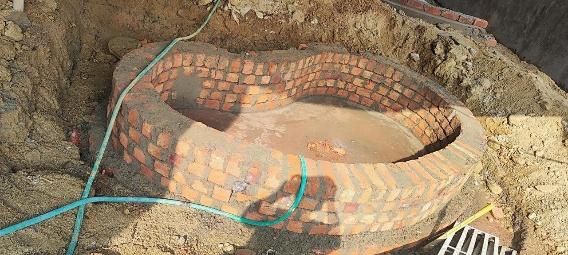
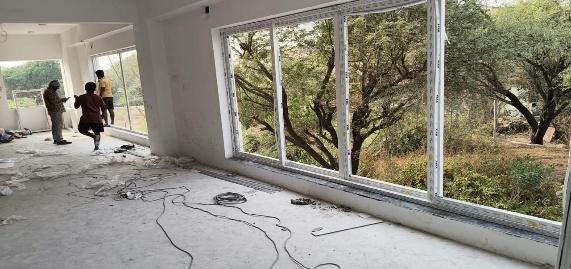
| 2. Site & regulatory | Photos of the site during construction; scanned copies of key clearances | |
| 3. Prepared environment | Shelving photos; classroom area, play area | |
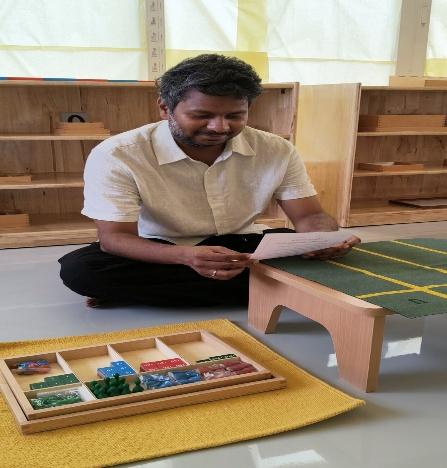
| 4. Human environment | Photos from staff training sessions or probationary observation days | |
| 5. Outreach & admissions | Photos of posters used to reach out to the probable parents for both online and offline sessions. Photos from open-house events (space only, no identifiable children); orientation session materials |

Other Studies in this Series
Play-Based Learning & Executive Function in Early Childhood
This study explores the relationship between play-based experiences and developing executive-function skills such as attention, working memory, cognitive flexibility and self-regulation in early childhood.
Independence in Action: A Montessori Perspective
This observational study explores how Montessori environments support children's developing independence and confidence in everyday classroom life.
The Role of Mixed-Age Classrooms in Social Development
This study explores how mixed-age Montessori communities create opportunities for cooperation, leadership, empathy, observation and learning through social relationships.